Get Back on the Road With Peace of Mind - Reliable Auto Repair
Essential auto repair ensures vehicle safety and performance. A reputable shop offers comprehensive work, from routine checks to critical maintenance. Determining when your vehicle requires service can prove challenging. Many drivers find it difficult to locate dependable repair experts. Routine maintenance is vital for extending a vehicle's lifespan. Yet, the difficulties with repair costs and talking to mechanics can leave one important guide doubtful. What measures can drivers implement to maintain their vehicles road-ready?
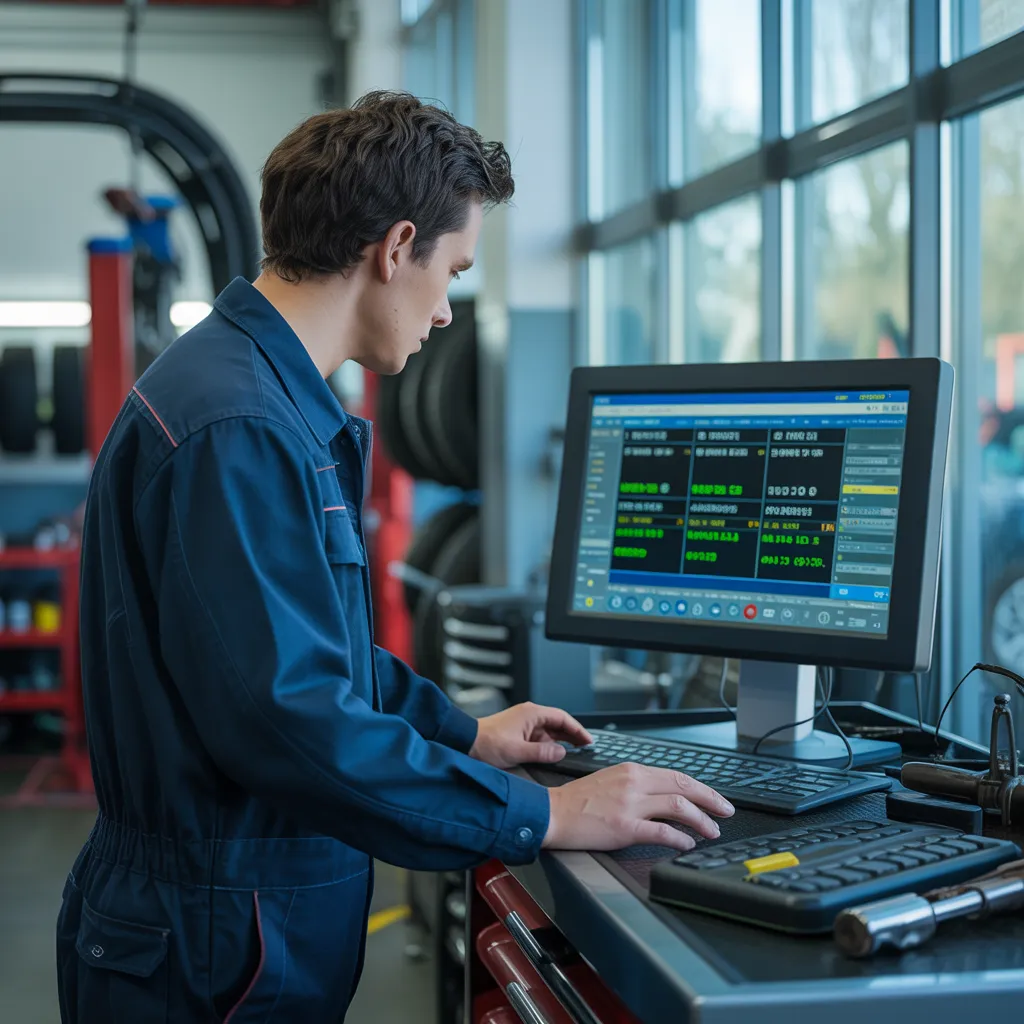
Understanding When Your Car Requires Work
How can one determine when a vehicle needs repair? There are different key indicators that signal a service requirement. Unusual noises, such as grinding or squeaking, often indicate brake or engine problems. Warning lights on the dashboard, particularly the check engine light, should not be ignored, as they indicate potential problems that demand immediate inspection. Additionally, a reduction in performance, such as sluggish acceleration or difficulty starting, can also suggest underlying mechanical issues.
Visual signs, such as fluid leaks or irregular tire degradation, are further indications that maintenance is necessary. If the vehicle drifts to one direction while driving, this could indicate alignment problems or tire complications. Regularly monitoring these elements can help guarantee prompt maintenance, avoiding greater deterioration and expenses in the long term. Overall, being attentive and forward-thinking is essential for preserving your car's condition.
How to Discover a Trustworthy Auto Repair Shop
Finding a dependable auto repair shop can be tricky for motorists. To commence, folks should ask for advice from contacts, family, or coworkers. Personal experiences often yield valuable insights into a shop's quality of service. Digital reviews and ratings on services like Yelp or Google can assist in gauging patron fulfillment.
Next, checking for certifications and affiliations with reputable trade associations, such as the Automotive Service Excellence (ASE), can show a shop's adherence to industry excellence. It is advisable to visit potential shops for an initial consultation, permitting proprietors to assess neatness, efficiency, and client care.
Moreover, obtaining documented quotations before any work commences can avert misunderstandings about costs. Finally, a reliable shop should be candid about its services and willing to discuss repairs. By executing these steps, vehicle owners can increase their chances of locating a trustworthy auto repair shop.
Why Frequent Vehicle Maintenance Is Important
While many vehicle proprietors may overlook regular maintenance, consistent vehicle maintenance is indispensable for securing a car's lifespan and superior functionality. Skipping maintenance can result in a series of problems, from minor inconveniences to major repairs. Regular inspections, such as oil changes, wheel adjustments, and brake inspections, can prevent costly repairs and strengthen driving safety.
Additionally, consistent maintenance helps sustain a vehicle's fuel efficiency, reducing overall operating costs. It also preserves the market value; a properly maintained car is often more desirable to prospective customers.
Committing to scheduled maintenance cultivates a sense of accountability among owners, encouraging them to stay current about their vehicle's requirements. By prioritizing regular care, vehicle owners not only protect their monetary investment but also add to collective safety on roads. Ultimately, consistent vehicle care is a preventive strategy that helps both the owner and the broader community.
Understanding Maintenance Costs
Grasping repair expenses can frequently prove perplexing for vehicle proprietors. Diverse factors influence such expenses, encompassing technician rates, component values, and the degree of difficulty of the repair undertaking. Labor charges differ extensively throughout various locations and establishments, usually manifesting the mechanic's skill level and the business's overhead. In addition, the category of components used—whether original equipment manufacturer (OEM) or aftermarket options—can markedly determine the ultimate bill.
Vehicle model and age also factor in to costs; less common or older models may require specialized parts that are pricier and harder to source. Additionally, unforeseen problems can emerge during maintenance work, causing supplementary charges that were not foreseen at first. By gaining a basic understanding of these elements, vehicle owners can address repair assessments with increased assurance and take knowledgeable choices regarding their vehicle requirements.
How to Accurately Convey Car Problems to Your Mechanic
Relaying car problems clearly to a mechanic can greatly enhance the diagnosis and repair procedure. When describing issues, car owners should be specific about symptoms, such as strange sounds, tremors, or dashboard alerts. Sharing details on when the issue occurs—whether during speeding up, stopping, or running at rest—can also help the technician determine the problem.
It is valuable to observe any new changes in driving behavior or maintenance history. Employing direct, simple communication prevents ambiguity, enabling the auto technician to understand the circumstances better. Auto owners should refrain from using specialized language unless they are certain about its meaning.
Additionally, bringing records, such as service records or previous repair invoices, can offer context. A focused description not only aids in swift diagnosis but also fosters a collaborative relationship between the car owner and the mechanic, ultimately leading to effective repairs.
Establishing a Lasting Connection With Your Auto Repair Shop
Creating a enduring bond with an auto repair shop relies on faith and openness. Regular quality service strengthens this partnership, while clear interaction pathways guarantee that customers feel appreciated and heard. Together, these components create a collaboration that serves both the client and the mechanic.
Foster Trust With Honest Disclosure
When customers feel well-informed about the services their vehicles need, reliance naturally emerges between them and their auto repair shop. Transparency in communication is fundamental; it allows customers to understand the logic behind recommended repairs and maintenance. Auto repair shops that provide in-depth explanations, precise estimates, and open dialogues encourage a sense of security among their clientele. This openness not only clarifies the repair process but also empowers customers to make educated decisions. Additionally, sharing information about the shop’s qualifications, warranties, and service history raises credibility. By focusing on transparency, auto repair shops can nurture lasting relationships, encouraging repeat business and retention. Ultimately, trust through transparency enables a more satisfying and trustworthy auto repair experience.
Dependable Quality Service
Consistent quality service is the basis of a lasting relationship between customers and their auto repair shop. When customers get trustworthy and responsive repairs, they are more likely to return for future maintenance. This reliability cultivates trust, allowing customers to have confidence in the expertise of the technicians. Over time, as customers witness the same excellent quality being upheld, a sense of dedication develops. Regularly performed quality checks and conformance to industry standards guarantee that vehicles are not only repaired but also kept in good condition to prevent future issues. Such dedication to excellence creates an environment where customers feel valued, knowing their vehicles are in capable hands. Ultimately, this commitment to consistent quality service strengthens the bond between auto repair shops and their clientele.
Develop Exchange Lines
Effective interchange serves as an essential connection between patrons and their auto repair shops, enhancing trust and comprehension. Open communication pathways establish a collaborative environment where customers feel valued and informed. When repair shops deliver lucid explanations about work performed, expenses, and timeframes, patrons can make better decisions about their automobiles. Consistent updates during repairs can alleviate apprehension and forge confidence in the shop's proficiency. Conversely, customers who express their concerns and preferences contribute to a more personalized experience. This reciprocal dialogue not only strengthens relationships but also stimulates allegiance. By stressing open communication, auto repair shops can establish a name for reliability, ensuring that patrons return for subsequent needs, confident in the labor they will receive.
Regularly Addressed Questions
What Can I Do if My Car Fails Unexpectedly?
When a car breaks down suddenly, the driver should safely pull over, turn on hazard lights, assess the situation, and call for roadside assistance or a tow service if needed. Remaining composed is crucial.
How Can I Assess if a Mechanic Is Credible?
To determine a mechanic's trustworthiness, one should check reviews, seek recommendations, assess credentials, and observe transparency in pricing. A reliable mechanic will express information plainly and give comprehensive accounts of essential maintenance and offerings.
What warranties apply to vehicle maintenance services?
Many auto repair shops offer warranties on their work and components, typically ranging from 90 days to several years. Customers should inquire about specific terms and conditions to guarantee adequate protection for their repairs.
What Devices Should I Maintain in My Car for Urgent Situations?
A properly equipped car should contain a spare tire, jack, jumper cables, flashlight, first aid kit, basic tools, and tire pressure gauge. These critical items help ensure safety and address minor issues during unforeseen situations on the road.
How Can I Prepare My Car for Seasonal Changes?
To set up a car for weather transitions, one should verify fluid levels, inspect tires for wear and inflation, check the battery, replace wipers, and make certain lights operate as intended for best safety and operation.